- Home
- Harbor notes
- Liberty Island
Island notebook / 03
Walk around the monument before walking inside it
Liberty Island turns a familiar silhouette into an object with seams, structure, a star-shaped foundation and a changing relationship to the city around it.
The first surprise is scale. From Manhattan, the statue reads as one clean symbol. From the island, the copper skin, stone pedestal, museum, fort walls and working visitor circulation separate into distinct layers. A complete visit lets those layers emerge rather than rushing from dock to selfie and back.
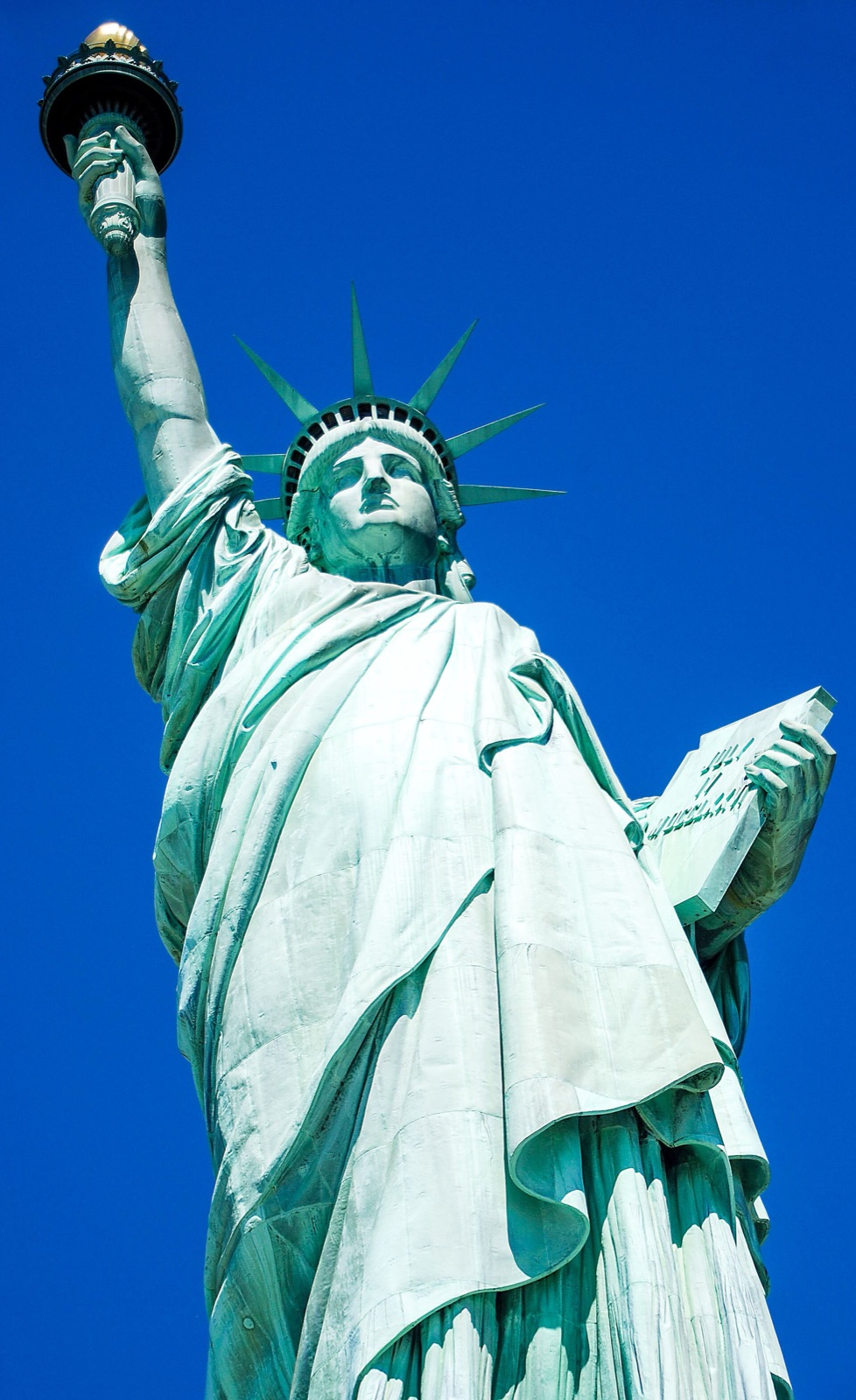
Begin with one full circuit
Walk the public promenade before committing to a long interior queue. The changing angle explains more than a single frontal view. From one side the raised torch dominates; from another the tablet and robe create the profile. The skyline, harbor traffic and Ellis Island shift behind the figure as the path turns.
A circuit also reveals wind direction, sun exposure, restroom and service locations, and the current entrance pattern. It is a practical reconnaissance lap disguised as sightseeing. Follow open routes and temporary barriers; landscaped and operational areas are not photo shortcuts.
Use the museum to inspect the symbol
The Statue of Liberty Museum helps visitors separate the monument’s construction from the meanings attached to it. Look for the collaboration among sculptor Frédéric Auguste Bartholdi, engineers, craftspeople, American pedestal advocates and donors. The building also displays the original torch, replaced during the 1980s restoration.
Do not reduce the museum to an answer sheet of “fun facts.” Its strongest question is how a work made for one political moment accumulated other meanings. The association with immigration became especially powerful in the decades after dedication, shaped by harbor arrival, Emma Lazarus’s poem and later public memory.
Read the base from outside
The monument rises from a pedestal designed by American architect Richard Morris Hunt, set within the star-shaped footprint of Fort Wood. That geometry predates the statue. It ties the island to New York Harbor’s military history and shows how an existing federal landscape was reused for a new national symbol.
Even without a pedestal reservation, the exterior relationship is legible. Compare the masonry’s mass with the copper figure above it. The statue depends on a tall architectural stage, yet the two were funded, designed and built through different efforts on opposite sides of the Atlantic.
Interior access is a separate plan
Pedestal and crown access require the current official reservation category and additional screening. They are not guaranteed by a general ferry ticket. The crown route includes a narrow stair climb inside the statue and is not equivalent to an ordinary elevator-served observation deck.
Before reserving, read the NPS description of steps, clearances, temperature, prohibited items and accessibility. Consider the least comfortable member of the party rather than the most enthusiastic one. A person can have a complete and meaningful Liberty Island visit through the museum and grounds without entering the monument.
Choose four deliberate views
| View | Look for | Why it matters |
|---|---|---|
| Arrival approach | Statue, pedestal and tree line together | Establishes the monument’s island scale |
| Close base | Fort Wood, masonry and copper overhead | Shows reused military ground and structural contrast |
| Harbor edge | Ellis Island, boat traffic and shorelines | Places the monument inside a working harbor |
| Departure | Figure receding toward silhouette | Reverses the transformation from icon to object |
Photograph without stopping the island
Wide-angle lenses exaggerate the upward perspective, which can be expressive but is not neutral. Step back where the path allows if you want the pedestal and figure in proportion. For detail, use shadow to find the robe’s depth and the copper panels’ irregular surface.
Keep stairs, ramps, doors and dock routes open. Drones are not a casual visitor option at a national park site, and railings are boundaries rather than camera supports. Ask before photographing strangers at close range, especially children.
Leave with one unresolved question
Public monuments invite agreement from a distance and argument up close. Ask what “liberty” meant to the monument’s makers, what it meant to people arriving under restrictive immigration laws and what it means now. The island does not supply one final answer, but it gives the question physical form.