Build backward from the return
Reserve the fixed parts, understand the island order shown for your trip and protect the final ferry connection from an overfilled museum schedule.
Open the day planner →New York Harbor · independent visitor journal
Copperline Harbor joins the parts that booking screens separate: the authorized ferry, Liberty Island’s monument and museum, Ellis Island’s immigration history, open-water weather and enough time to notice the harbor between them.
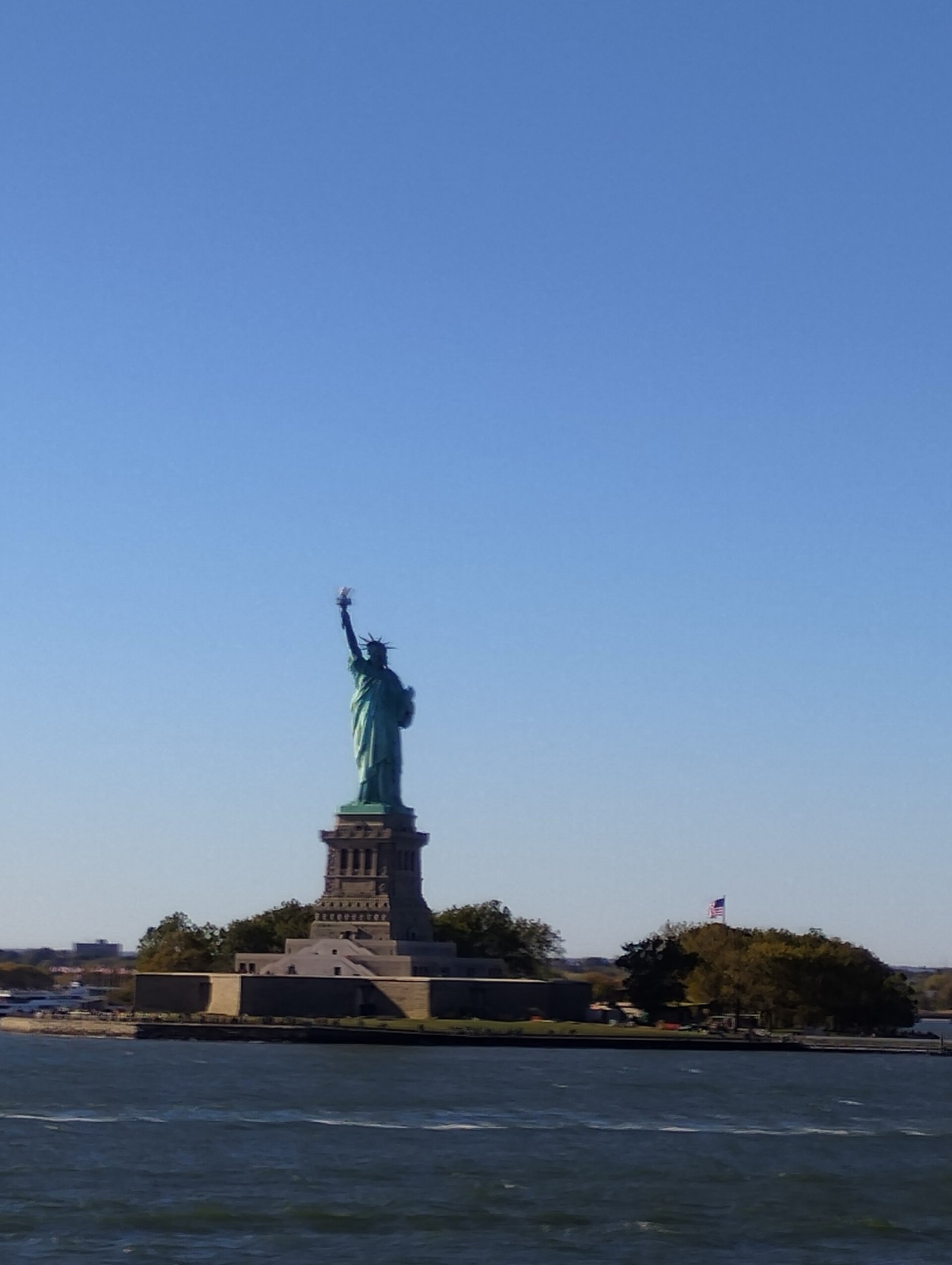
Choose the real decision first
A good harbor day begins before the first photograph. Departure side, ticket access, screening, ferry queues, museum time and the last practical return all affect what fits. These six guides separate the decisions without pretending there is one perfect itinerary.
Reserve the fixed parts, understand the island order shown for your trip and protect the final ferry connection from an overfilled museum schedule.
Open the day planner →Only the authorized concessioner provides ferry transportation that lands at Liberty and Ellis islands. Sightseeing cruises are different products.
Read the ferry guide →Separate general island access from any reserved pedestal or crown access, then make room for the museum, fort-shaped base and changing harbor views.
Walk Liberty Island →The Main Building is not a decorative stop after the statue. Its rooms explain inspection, law, exclusion, family separation and national memory.
Enter the Ellis Island guide →Follow the collaboration behind the monument, the fundraising that completed its pedestal and the meanings added after its 1886 dedication.
Read the statue story →Open water can sharpen wind and glare. Security rules, long standing periods and historic interiors deserve the same attention as the forecast.
Open conditions guide →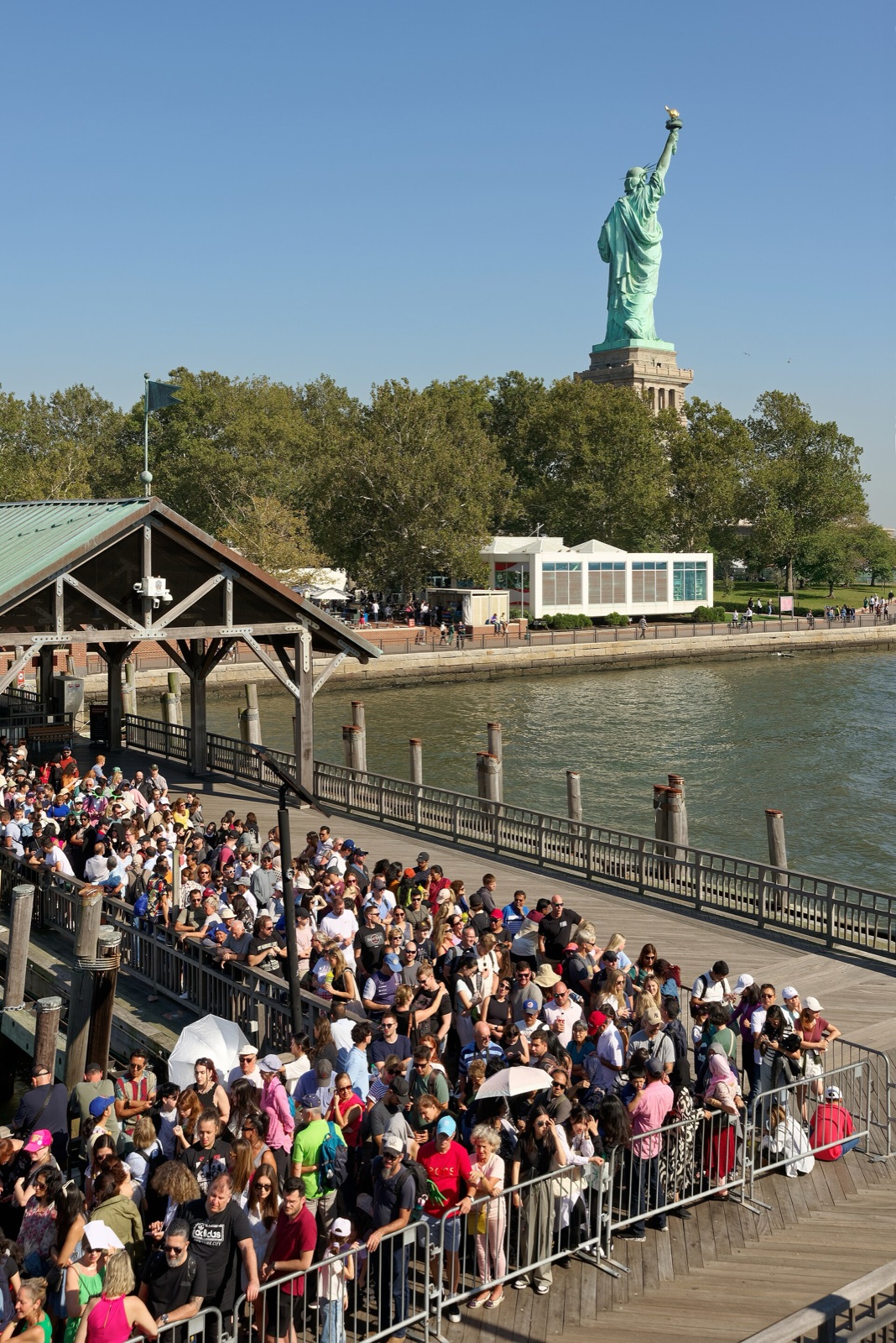
A landing, not a pass-by
New York Harbor has commuter ferries, sightseeing boats, dinner cruises, private charters and the authorized Statue of Liberty service. Many offer excellent water views. Only the official concession route lands visitors at Liberty Island and Ellis Island.
Search results can blur that distinction, especially when a product uses phrases such as “Liberty cruise,” “Statue view” or “near Ellis Island.” Before paying, identify the departure point, whether the boat lands, which islands appear in the itinerary and whether any interior monument access is explicitly reserved.
Arrive with a margin for transit, finding the correct security entrance and reading the day’s boarding instructions.
Move outside only when conditions allow, look back at the departure skyline and watch the statue change from silhouette to constructed object.
Use the museum and promenade to read the monument before treating interior access as the entire visit.
Slow down in the Main Building; inspection history becomes clearer through rooms, circulation and personal testimony.
Four-part harbor reading
The strongest itinerary gives each transition a purpose. The shoreline explains departure, the crossing creates scale, Liberty Island frames the monument and Ellis Island complicates the national story.
That structure also makes practical sense. It turns waiting and travel into part of the experience instead of dead time that must be compressed.

Do not spend the whole day on one symbol
The Statue of Liberty is widely read as a promise. Ellis Island reveals how entry was actually administered: through laws, classifications, medical inspection, legal hearings, waiting and unequal treatment. Most people passed through, but the experience was not uniform and the island was never the doorway for every immigrant.
Inside the National Museum of Immigration, the Great Hall is visually powerful because it was operational. Look for movement: stairs, railings, desks, dormitories and hearing rooms. They show a process that affected bodies, families and futures—not a single sentimental arrival scene.
Plan the Ellis Island visitThe Copperline rule
We provide durable planning logic and history. The National Park Service and its concessioner own the changing facts.